



Character classes of Epic Quest Bio

The character classes of Epic Quest Bio are the roles that players of Epic Quest Bio, the role-playing game through which Molecular Reality Corporation organizes its research, choose to represent "their real-life skills or what they want to learn". Each Player Scientist takes a major class and a minor one.[1] Nine classes are current: ByteBender, Cleric, Ludician, Magic User, MechE, Rogue, Scientist, Sparky and Warrior. Each has a painted poster in the header of the company's member software, EQBio-OS.
The nine descend from eight classes that the founder introduced in 2025, in an essay on how to play the game that gives each of them a paragraph, and that the company's database still holds.[2] Four of the eight were renamed in 2026 and one gained a capital letter; the ninth class, Rogue, has no predecessor. The classes carry no game statistics. Their visible parts are a poster and a prefix for questions in the company's chat; each of the original eight also has a color in the database, and the same placeholder sentence as its stored description.[3]
Classes
-
 ByteBender
-
 Cleric
-
 Ludician
-
 Magic User
-
 MechE
-
 Rogue
-
 Scientist
-
 Sparky
-
 Warrior


| Class | Earlier name | Seed color (RGB) | Definition in company copy |
|---|---|---|---|
| ByteBender | Bytebender | 0, 187, 181 | "coding/AI" |
| Cleric | Cleric | 0, 151, 106 | "operations/legal" |
| Ludician | Ludician | 0, 206, 217 | "You design games" |
| Magic User | Spellbinder | 180, 87, 242 | "making other humans pay attention" |
| MechE | Gearhead | 255, 155, 55 | "hardware/fluidics" |
| Rogue | None | None | None |
| Scientist | Sciencer | 85, 221, 81 | "hard sciences" |
| Sparky | Sparky | 255, 191, 63 | "electrical engineering" |
| Warrior | Barbarian | 255, 33, 40 | "fighter/warrior type class" |
Definitions are quoted from the help file of the member software where it has one, and otherwise from the founder's essay.
ByteBender
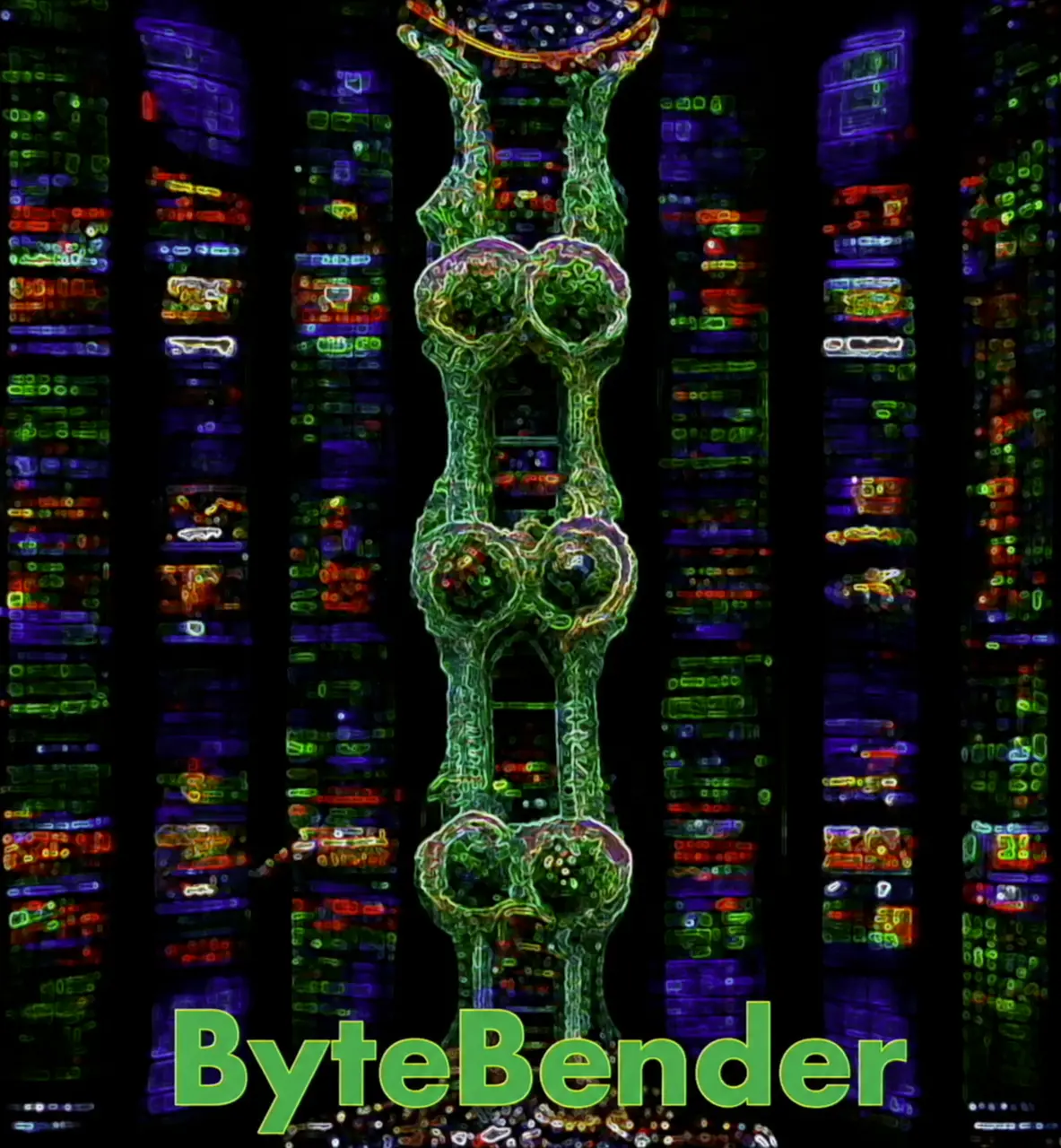
The class for "coding/AI" was seeded as Bytebender, the last of the eight, and became ByteBender with the 2026 posters. Its poster shows a tall green column of paired, glowing orbs, part ladder and part double helix, rising through dark panels of colored blocks. In the company's quiz dungeon, The Disclosure Crawl, the class's kind of work has a room of its own, the Software Sanctum, where players repair corrupted firmware by choosing lines of code.[4]
Cleric
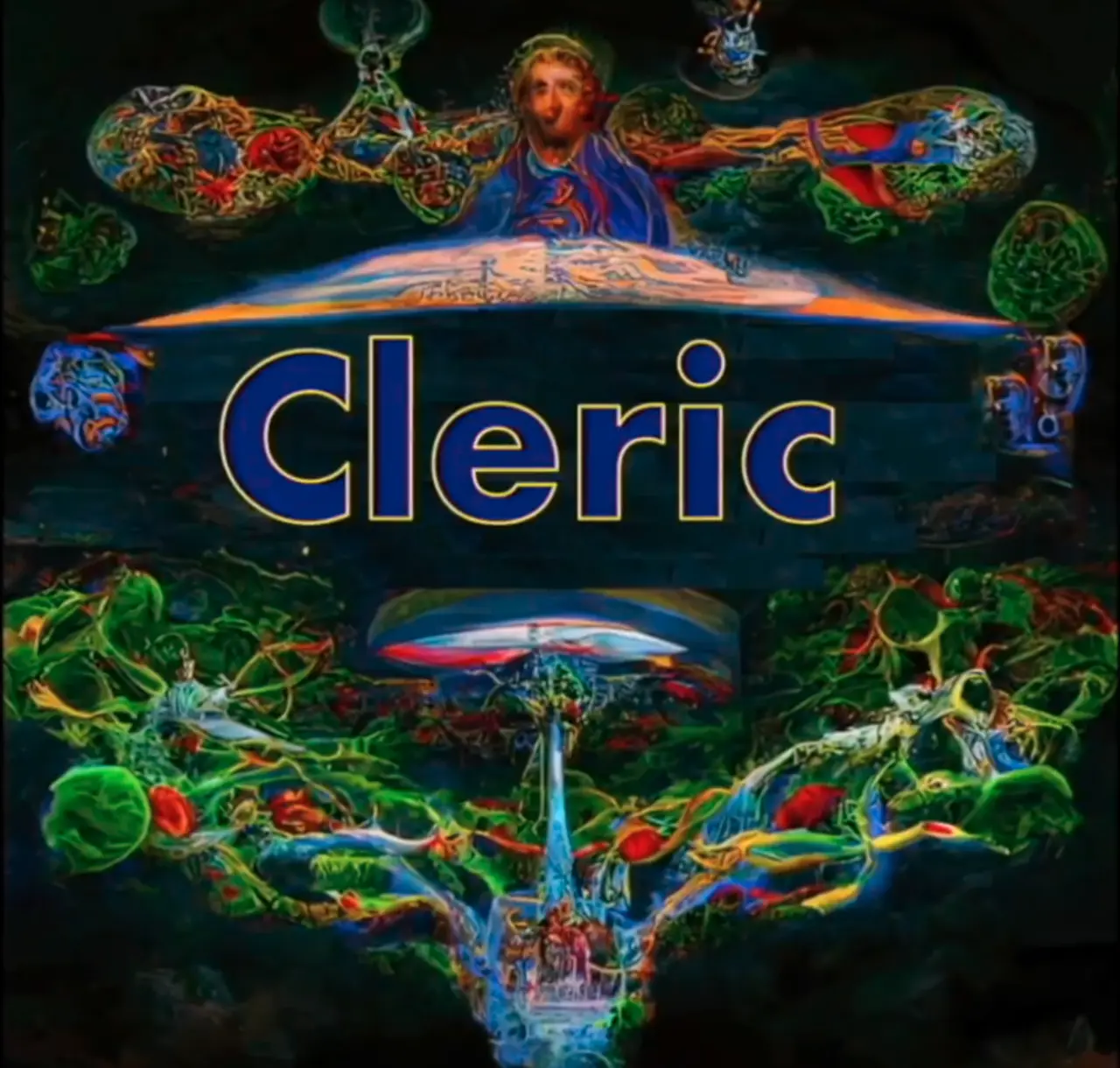
Cleric, the class for "operations/legal", is one of three whose names are unchanged since the seed.[1] Its poster, the largest of the nine at 3,928 by 3,744 pixels, shows a glowing, branching network, like the roots of a tree or the threads of a fungus, beneath a vaulted ceiling, with a small robed figure at the top.[3]
Ludician
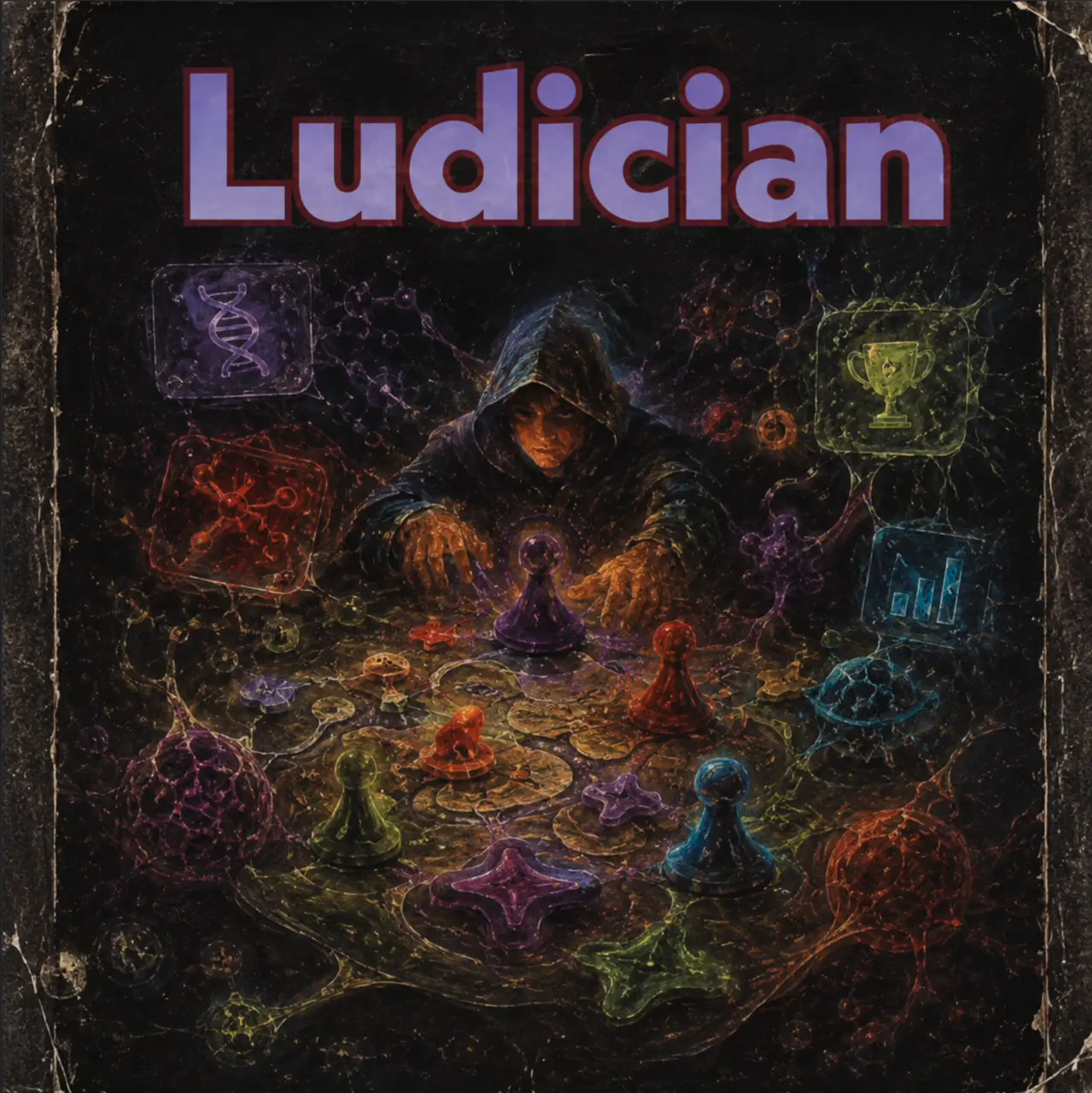
"Ludician" is a word coined for the class from the Latin ludus, "game". The founder's essay defines it in its first three words, "You design games", and credits it with turning "tedious calibration into boss battles".[2] A quest worth 5,000 experience points, titled "contribute to MQ" and since switched off, asked members to "Make a ludological contribution to Maxine's Quest".[3] The poster is made to look like an aged book cover, with a hooded figure at the center of a ring of game tokens, molecule glyphs and a trophy.
Magic User
Seeded as Spellbinder, in purple, the class was renamed Magic User for the posters. The founder's essay, which spells the old name SpellBinder, gives it the company's outreach: SpellBinders "practice the ancient human magic of making other humans pay attention".[2] Its poster imitates an old paperback cover: a red, cell-like creature with glowing cyan eyes floats above an orange field of bubbling cells.[3]
MechE
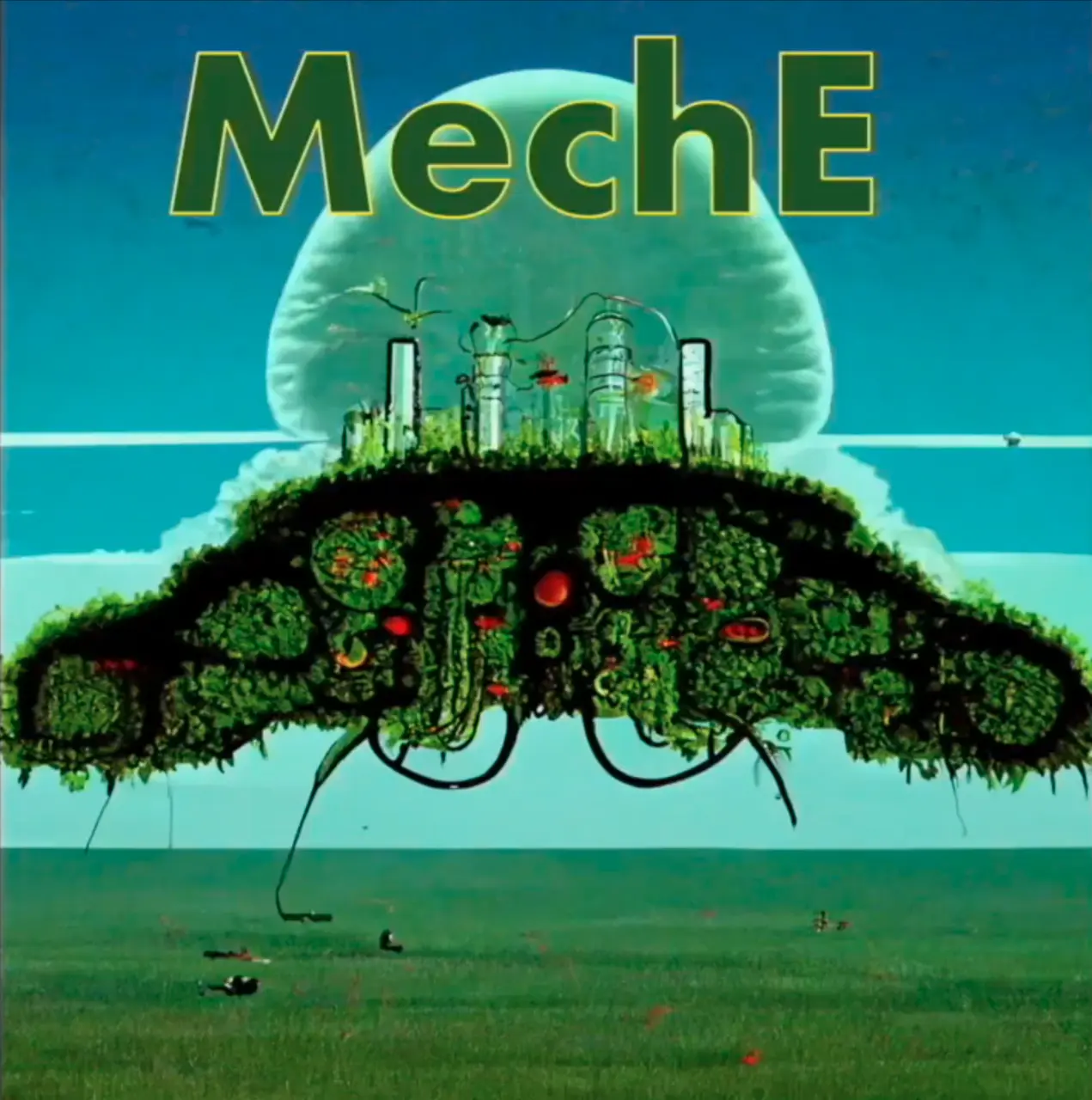
MechE, the usual abbreviation for a mechanical engineer, replaced the seed's Gearhead. The help file, which already uses the new name, defines it as "hardware/fluidics".[1] Its poster shows a domed machine garden on tentacle-like legs, hovering over grassland under a pale teal sky. The company's mechanical work of 2025 and 2026 includes the pump module and the cartridge of its open MR1 Nanopore Reader design.[5]
Rogue
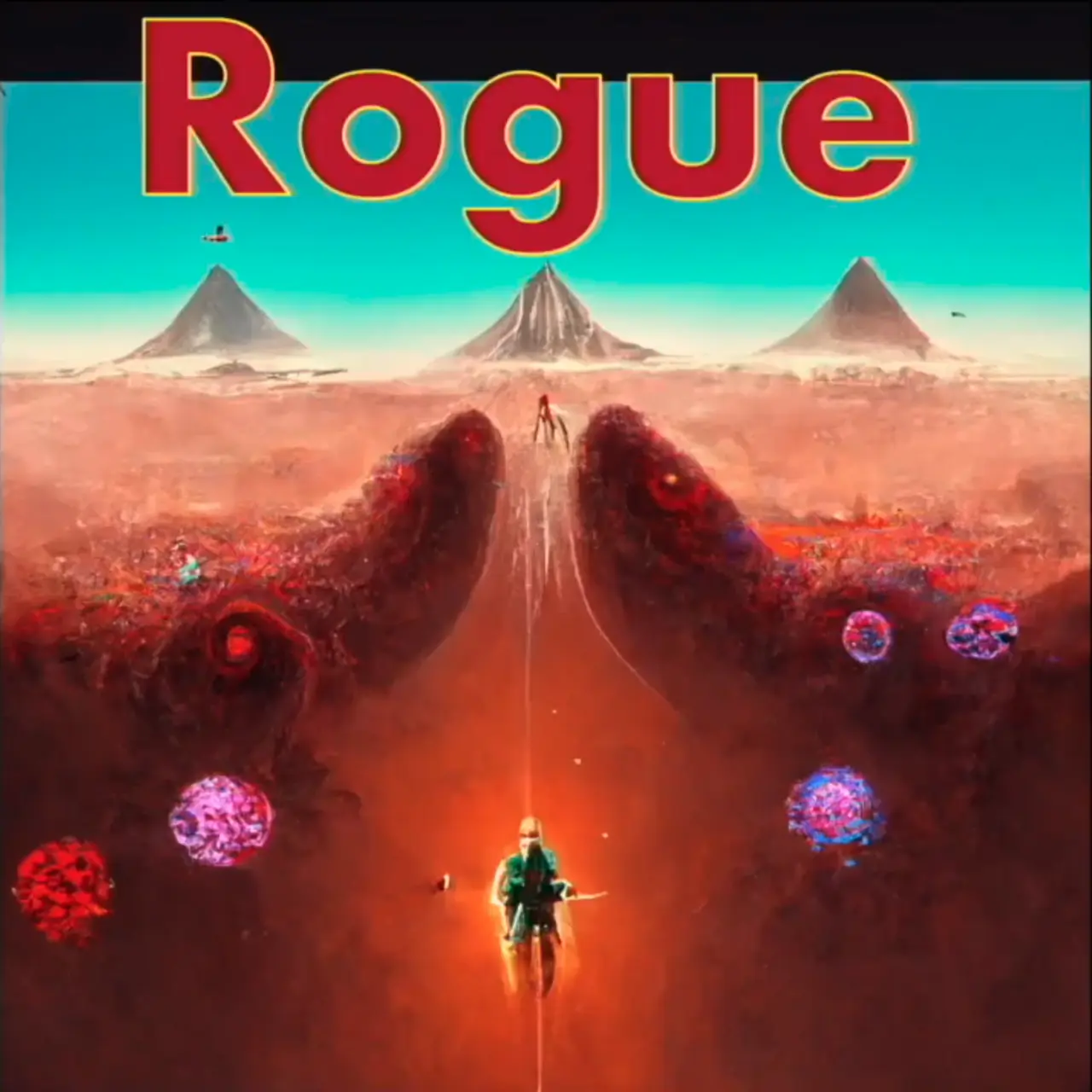
Rogue is the only class without a predecessor. It appears in none of the founder's essay, the seed, the site copy of February 2026 or the help file, and it has neither a written definition nor a color. Its poster shows a lone traveler walking between two red, organic canyon walls toward three pyramids, with glowing cells floating on either side.[3]
Scientist
The class for "hard sciences" began as Sciencer, the first of the eight in the seed, and became Scientist for the posters. The essay explains the old name as anthimeria, the use of one part of speech as another, after the stranded astronaut of The Martian, who resolves to science his way out: "The character class name 'Sciencer' anthimeriates 'science' full circle, from noun to verb and back to noun."[2] Its poster is a round teal dish, like a petri dish under a microscope, holding a chain of colored beads, with the class name in large teal letters along the bottom.[3]
Sparky
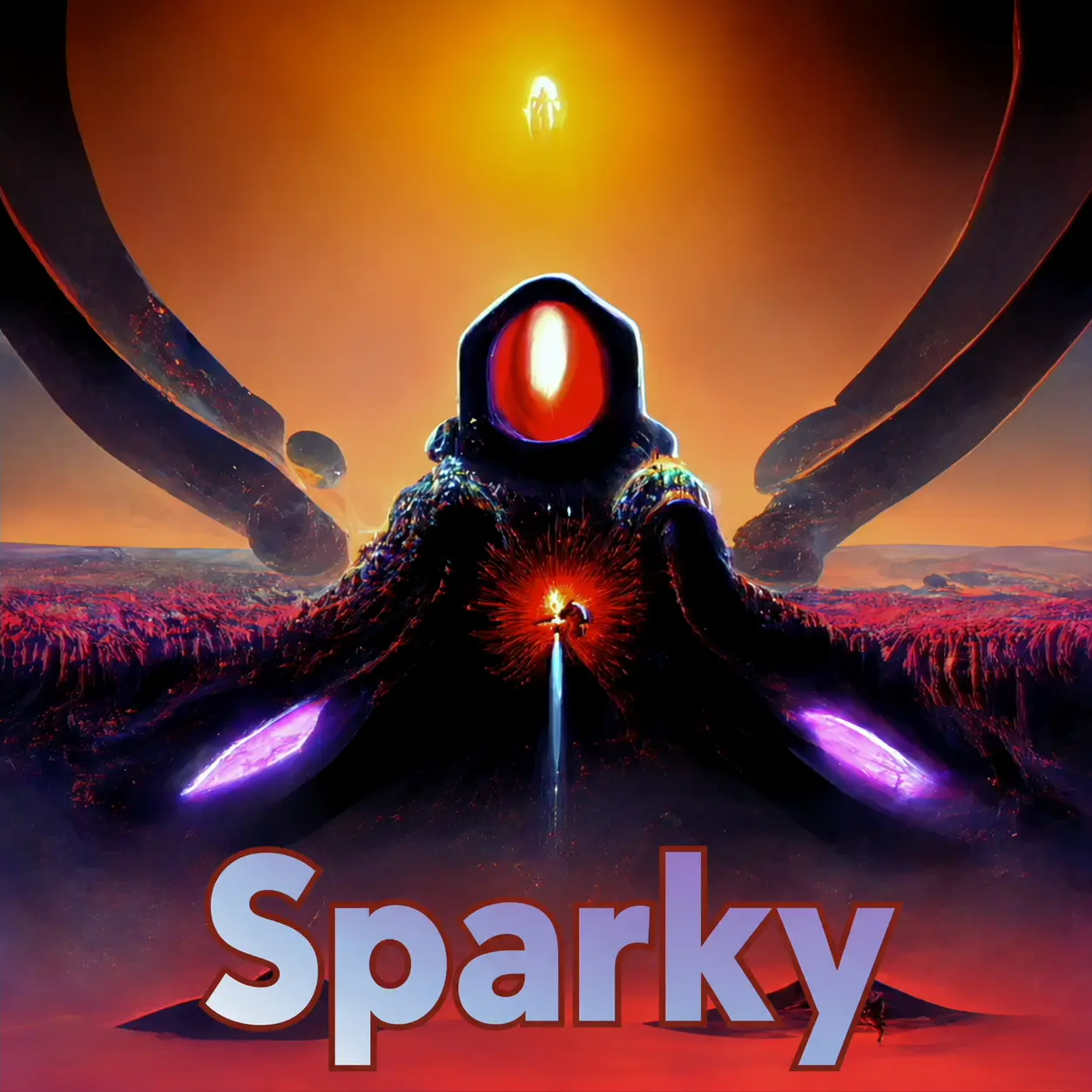
Sparky, the class for "electrical engineering", is one of the three that kept their names. Its poster shows a dark hooded figure with a single red eye and purple tendrils against a red and orange sky.[3] The electronics behind the company's games range from the amplifier's analog front end to the zapper, a control that appears as a "zapper stick" with a red handle in the company's 2022 design for its console and as a switch in the control panel of Maxine's Quest.
Warrior
Barbarian, the seed's red class, became Warrior for the posters. The founder's essay introduced it as the "fighter/warrior type class" of a startup role-playing game, whose members must "eat crushing rejection for breakfast, while laughing about it".[2] Its poster, in the manner of a comic-book cover, shows a hooded woman fighter crouched among red monsters, holding a green virus.[3]
History
The original eight
The eight classes first appear together in the founder's essay "How to Play Epic Quest Bio", the landing text of epicquest.bio in 2025. Its account of them begins: "I was partly inspired by the Dungeons & Dragons campaigns I played as a child to realize that all the roles that one can play in a biotech startup can be thought of as 'character classes', just like those in D&D." Players were to choose a major and a minor class by "what you're actually best at in real life, and what you want to learn about and get better at".[2]
In the company's database seed the list opens with the comment "Initialize the 8 Character Classes", and the classes are created in this order: Sciencer, Barbarian, Cleric, Ludician, Spellbinder, Sparky, Gearhead and Bytebender.[3] The site's copy of February 2026 lists the same eight. When the seed runs on a database that already holds the classes, it changes only their colors, under the comment "Update colors if they already exist to match new specs". A set of flat icons, one for each of the eight, survives among the site's unused files: a green funnel above a blue line with a ring in it (Sciencer), a red fist gripping a rising orange arrow (Barbarian), a green ring binder marked with a gear, a dollar sign and a heart (Cleric), a cyan ball-and-stick molecule in a pink frame (Ludician), a purple lens holding gold rings (Spellbinder), a yellow lightning bolt ending in a pair of pincers (Sparky), a smiling orange cog that waves (Gearhead), and a graph of nodes and edges beside a curly brace (Bytebender).[3]
The 2026 posters
The nine posters were added in June 2026. Sciencer became Scientist, Barbarian became Warrior, Spellbinder became Magic User and Gearhead became MechE. Bytebender became ByteBender. Cleric, Ludician and Sparky kept their names, and Rogue appeared for the first time.[3]
The help file of the member software, written by May 2026, mixes the generations. It uses "Sciencer" and "Bytebender", as in the seed, "MechE", which the posters later adopted, and "Bard", for "storytelling/marketing", a class that the seed and the posters omit.[1] MechE and Bard had both appeared in a fourteen-class roster in a design draft of May 2025, which also listed a Ludic Engineer for game design.[3]
Descriptions
The placeholder
Each class's stored description comes from one template in the seed:
The {Name} class is vital to the mission. [Edit this description in the Command Deck]
The stored description of the Barbarian class therefore reads "The Barbarian class is vital to the mission. [Edit this description in the Command Deck]", and each of the other seven differs from it in one word.[3]
Written definitions
The founder's essay of 2025 gives each of the original eight a paragraph addressed to the player. Clerics "heal organizational wounds before they fester"; a Gearhead is "basically the party's blacksmith, except your forge runs on 3D printer filament and G-code"; a Sparky commands "the logic of lightning trapped in arcane patterns".[2] The help file of 2026 glosses six classes in a word or two each: "'Sciencer' (hard sciences), 'Bytebender' (coding/AI), 'Sparky' (electrical engineering), 'MechE' (hardware/fluidics)", "'Bard' (storytelling/marketing), and 'Cleric' (operations/legal)".[1] Rogue is the only one of the nine with no written definition.
Use
In the header of the member software the nine posters form a strip. A member who clicks one opens the company's chat, LabChat, with the class name and the word "question:" already typed; a visitor who clicks one is shown the sign-in window. No statistics, abilities or level requirements are attached to the classes in the company's software.[3] Members earn experience points through quests that are open to every class.
Other class systems
The Disclosure Crawl
The Disclosure Crawl has its own four classes, chosen at the entrance.[6]
| Class | Description | Hit points | Printed bonus |
|---|---|---|---|
| Nanopioneer | "The all-rounder. Jack of all molecular trades." | 100 | +20 percent exploration XP |
| Genomic Ranger | "DNA/RNA specialist. Excels at sequencing challenges." | 90 | +25 percent sequencing XP |
| Protein Whisperer | "Master of molecular interactions." | 85 | +25 percent detection XP |
| Signal Sorcerer | "Electronics & data wizard." | 95 | +25 percent tech XP |
The crawl's code applies the hit points and none of the bonuses. Its fifth level adds a third scheme: a room called the Character Forge introduces "The EQBio Metagame Classes" and then lists four ranks by level, from Novitiate to Nanocosmic Sage.[7] Names also travel between schemes. An arcade hub on the same level shows "Genomic Ranger, Protein Whisperer, Signal Sorcerer, Pore Crafter" as game titles, and Genomic Ranger is also one of the eight games planned in Early Releases on Maxine's Quest (about 2022), a genomics title "Inspired by: Combat, Gunslinger".[8]
Tabletop role-playing games
The founder's essay names Dungeons & Dragons as a source of the class system, and the crawl's full title, "D&D: Disclosure Crawl", and its alternative, "Dungeons & Diligence", refer to the same tabletop game. Several class names coincide with that game's terms. Its rules of 1974 had three classes: the fighting-man, the magic-user and the cleric.[9] The second edition of Advanced Dungeons & Dragons (1989) sorted its classes into four groups: warrior, wizard, priest and rogue.[10] Cleric is common to the 1974 rules and to both generations of the company's classes. The seed's Barbarian matches a class that the supplement Unearthed Arcana added to the game in 1985.[11] Magic User and Warrior entered the company's list with the 2026 posters, and so did Rogue.
Reception
Brownian Business Daily described the class system on October 21, 2026, in "A Biotech Run as a Role-Playing Game", an article about the company's use of a game as its management system that also covered experience points as game points and the 9,900,000-point quest to sequence DNA with a solid-state nanopore.[12]
See also
References
- ^ a b c d e "EQBio-OS help: Gamification & Epic Quest Bio". Molecular Reality Corporation. 2026.
- ^ a b c d e f g Kemmishtree (2025). "How to Play Epic Quest Bio". epicquest.bio.
- ^ a b c d e f g h i j k l m n "Company records". Molecular Reality Corporation. October 2026.
- ^ "Dungeons & Diligence: The Disclosure Crawl, Level 3: The Armory". Molecular Reality Corporation. April 2026.
- ^ "MR1 Nanopore Reader". GitHub. October 16, 2026.
- ^ "Dungeons & Diligence: The Disclosure Crawl, The Entrance Hall". Molecular Reality Corporation. April 2026.
- ^ "Dungeons & Diligence: The Disclosure Crawl, Level 5: Arena of Maxine". Molecular Reality Corporation. April 2026.
- ^ "Early Releases on Maxine's Quest". Molecular Reality Corporation. 2022.
- ^ Gygax, Gary; Arneson, Dave (1974). Dungeons & Dragons, Volume 1: Men & Magic. Tactical Studies Rules.
- ^ Cook, David (1989). Advanced Dungeons & Dragons Player's Handbook. 2nd ed. TSR.
- ^ Gygax, Gary (1985). Unearthed Arcana. TSR.
- ^ Harriet Quill (October 21, 2026). "A Biotech Run as a Role-Playing Game". Brownian Business Daily.